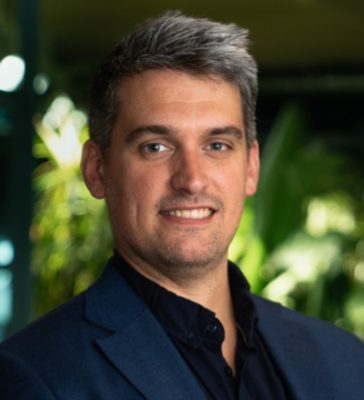
Emily Orazzo
Current Employer/Organisation Name
University of Exeter
What have you been doing since leaving Exeter, and what are you doing now?
After finishing my BA in Politics with Middle East Studies and MSc in Global Governance (Health Policy) at Exeter, I started building my career in public policy. I first stayed on at Exeter as a Researcher and Postgraduate Teaching Assistant, which gave me experience in academic research and supporting students. From there, I moved into a number of policy roles; first as a Policy Officer with the Office of the Police and Crime Commissioner for Devon and Cornwall, and then with the Association of Police and Crime Commissioners in London, where I co-managed the national addictions and substance misuse portfolio and led a major review into the role of PCCs in local drug partnerships. I went on to work at the Home Office in the Joint Combating Drugs Unit as a Senior Policy Advisor, helping deliver the National Drugs Strategy across England through collaboration with local partners.
More recently, I worked at the University of Bath as a Health Policy Impact Specialist. This role consists working with researchers to translate health research into practical, evidence-based insights that inform policy, aiming to improve health services and public health outcomes.
Why did you choose this career? And what do you enjoy most about your work?
I chose this career because I have always been motivated by problem-solving and the opportunity to make an impact at a large scale. Policy work allows me to contribute to meaningful change that improves people’s lives, particularly in areas as important as public health, safety, and social wellbeing.
What I enjoy most about my work is the dynamic and fast-paced nature of politics and policy. No two days are the same, and I thrive on the challenge of working across different key policy partners to tackle complex issues. It’s rewarding to see how the work I do can translate into real-world impact.
Please tell us if you were a member of any societies, groups or sports clubs?
I was a member of the Muay Thai Society and founder / president of the Kickboxing Society. I found that staying physically active was crucial for maintaining the focus and discipline needed to succeed during my studies.
What did you enjoy most about your programme and what was the biggest highlight?
What I enjoyed most about the MSc Global Governance at Exeter University was gaining a deep understanding of multilateral working and policy development at an international level. The programme provided hands-on opportunities to develop practical policy skills, such as writing policy briefs, and allowed me to tailor my modules to specialise in health policy, which was a particular area of interest for me.
What did you most enjoy about studying here?
I greatly enjoyed studying in the South West, which is one of the reasons I have moved back. Exeter is a wonderful city, and during my studies I had the opportunity to learn from extraordinary lecturers and mentors, whose guidance played a key role in shaping my understanding of policy and supporting my career in this field.
Why did you choose to study at Exeter?
I chose to study at Exeter because the programme heavily focused on hands-on learning rather than solely focusing on theory. It provided practical, employable skills such as presentation, research, and policy analysis, which were crucial for succeeding in a competitive field such as public policy.
What skills and experiences have been most useful for your career?
The skills that have been most useful for my career are communication and influencing skills, which have been essential from the interview stage through to succeeding in the field. Strong interpersonal and networking abilities are also crucial in public policy, particularly at the national level where it is a relatively small world. My time at university helped me develop these skills through presentations, group projects, and other collaborative work. Continual practice was key, and focusing on improving communication skills has remained central to my professional development.
What advice would you give to a current student who wishes to pursue your career?
For anyone aiming to build a career in policy, focus on mastering the foundational skills during your studies – i.e., policy writing and briefing, both written and oral, and report writing. These may feel less glamorous than the broader world of politics and policy, but they are what will truly set you apart. Invest in these skills, and you’ll not only excel in your chosen field but also gain the versatility to make an impact across a wide range of policy areas and environments, from
the public and private sectors to NGOs and membership bodies.
What are your plans for the future?
I am currently in the process of transitioning to freelance consultancy work. It is a real privilege to have gained the knowledge and experience that allow me to contribute effectively in a consultancy capacity, and I look forward to applying my skills to a variety of policy challenges.