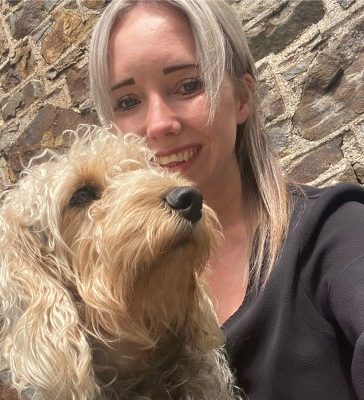
Emma Tarling
Current Employer/Organisation Name
The Cornwall College Group – Bicton College
What have you been doing since leaving Exeter, and what are you doing now?
Study Programme Manager – Animal Science – Bicton College
Teaching, Learning and Assessment Lead – Bicton College
Currently: Curriculum Area Manager of Progression Pathways and High Needs at Bicton College
Why did you choose this career? And what do you enjoy most about your work?
Creating inclusive educational environments where all learners can succeed, particularly those who have encountered barriers in traditional settings.
Enabling students with complex needs and SEND to achieve meaningful qualifications and progress into careers aligned with their interests and aspirations.
Designing and leading curriculum development that equips young people with the skills and knowledge genuinely valued by their chosen industries.
Developing teaching practice within my department—to enhance learning outcomes for all students.
What did you enjoy most about your programme and what was the biggest highlight?
Masters in Education – the opportunity to pursue in-depth, focused research on a topic of genuine personal and professional significance. The MA allowed me to concentrate my studies on barriers affecting Gypsy, Traveller, Roma, Showmen and Boater individuals across primary and secondary education a subject that aligned with both my professional commitment to inclusive education and my desire to contribute meaningful research to an under-explored area.
What did you most enjoy about studying here?
Flexibility of study around professional commitment. Strong supportive dynamic between students and faculty at the University of Exeter. Opportunity to pursue research in an area of keen interest.
Why did you choose to study at Exeter?
Strong reputation in education research and its commitment to inclusive practice. The university’s research culture and the expertise of staff within the Graduate School of Education aligned well with my interest in exploring barriers to education. Additionally, The University of Exeter’s accessibility with online learning made it practical to balance my studies with my full-time role at Bicton College.
What skills and experiences have been most useful for your career?
My MA in Education has significantly enhanced my capacity to lead curriculum development and support students with complex needs. The research skills I developed—particularly in critically analysing educational barriers and evaluating interventions—directly inform my approach to creating inclusive learning environments at Bicton College. My dissertation research on barriers facing Gypsy, Traveller, Roma, Showmen and Boater communities deepened my understanding of how systemic obstacles impact educational engagement, which has proven invaluable when developing strategies to improve attendance, retention, and progression for our Progression Pathways students. Additionally, the critical reflection required throughout the MA has enhanced my leadership approach, helping me articulate educational rationale more effectively to colleagues, employers, and external stakeholders.
What advice would you give to a current student who wishes to pursue your career?
Gain hands-on experience working with diverse learners, particularly those with additional needs. Pursue relevant qualifications like a PGCE or teaching qualification that will give you classroom credibility and pedagogical foundations. Don’t underestimate the value of specialist sectors like further education or land-based learning—these pathways offer incredibly rewarding opportunities to make tangible differences in young people’s lives, often with learners who’ve faced significant barriers in mainstream settings. Develop strong organisational and communication skills early; leadership in education requires managing complex systems, multiple stakeholders, and competing priorities simultaneously. Remain curious about educational research and be willing to pursue postgraduate study when you’re ready—it deepens your practice and opens doors to management roles where you can influence wider change.
What are your plans for the future?
My immediate focus is continuing to strengthen the Progression Pathways provision at Bicton College, ensuring our students with complex needs receive high-quality, industry-relevant education that supports their progression into employment or further training. Looking ahead, I’m keen to move into a role with a greater focus on inclusivity and educational equity—potentially in policy development or a strategic leadership position where I can influence inclusive practice across wider settings and potentially undertake a PhD within this subject area.