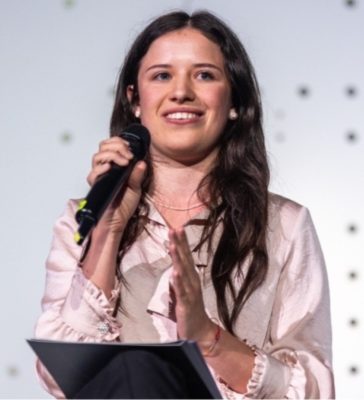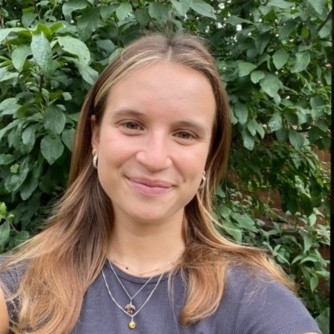
Stacey New
Current Employer/Organisation Name
Met Office
What have you been doing since leaving Exeter, and what are you doing now?
Since leaving the University of Exeter after completing my PhD on wildfires in 2019, I have been working as a Senior Climate Scientist at the Met Office. I joined the International Climate Services Development team, contributing to large international projects focused on China and Europe, including CSSP (Climate Science for Service Partnership) and Climateurope2. My work centres around developing climate services that enhance community preparedness and support resilience and adaptation decisions by improving the use of climate information in decision-making. Within CSSP China, I have led the Tea-CUP activity, investigating the impacts of climate change on tea production and collaborating closely with stakeholders to co-develop services that meet user needs. In addition, I have continued to build on my wildfire expertise through global collaborations, applying this knowledge to advance wildfire research and improve communication around wildfire risk.
Why did you choose this career? And what do you enjoy most about your work?
I chose this career because it perfectly combines my passion for geography with the need for interdisciplinary thinking. Climate science requires someone who can work across multiple disciplines, adapt to new challenges, and apply both creative and scientific approaches to solve complex problems. It allows me to use my skills to address real-world issues and contribute to building resilience in a changing climate. I enjoy the opportunity to engage with stakeholders around the world and collaborate across diverse teams. My work focuses on creating useful and usable climate information that supports decision-making and helps communities prepare for the future. Being able to see how this information makes a tangible difference is incredibly rewarding. I also value the chance to travel, share knowledge, and co-develop solutions that meet real user needs.
What did you enjoy most about your programme and what was the biggest highlight?
Some of the things I enjoyed most about studying Geography at Exeter was the opportunity to work alongside world-leading scientists and contribute to cutting-edge research. It allowed me to combine my love of the environment with my interest in research, and the hands-on experience, especially experimenting with fire, later gaining a PhD in this area, was incredible. A major highlight was the chance to travel and collaborate internationally, particularly spending time in the US working with firefighters and experts. Participating in fieldwork in incredible locations like New Zealand, Iceland and New Jersey (US) created unforgettable memories. These experiences made the programme both professionally fulfilling and personally meaningful.
What did you most enjoy about studying here?
I really valued being close to home in North Devon while still having access to a vibrant city environment that maintained its countryside charm. The location was perfect, close to Dartmoor and numerous beaches, which offered amazing opportunities to explore and unwind. The campus itself was beautiful, with plenty of green spaces that provided the perfect escape when needed. I also loved the excellent sports facilities, which gave me the chance to join a local hockey club and stay active throughout my studies.
Why did you choose to study at Exeter?
The university’s strong reputation and research expertise in areas I was passionate about (fluvial geomorphology and wildfire), along with modules that really aligned with my interests, made it an ideal choice. I loved the beautiful campus with its green spaces, which provided a great balance between study and relaxation.
What skills and experiences have been most useful for your career?
One of the most useful things my geography degrees gave me was the ability to be a bit of a jack-of-all-trades. Geography trains you to take on lots of information across different disciplines, think holistically, and adapt quickly, all of which are essential in climate science and climate services. I use the analytical and data skills I developed during my degrees alongside the people-focused skills geography is great at building, like communicating complex ideas, working across disciplines, and engaging with different audiences. Climate services sit at the intersection of science, policy, and real-world decision-making, and geography gave me the confidence to move comfortably between those spaces and help turn climate information into something useful.
What advice would you give to a current student who wishes to pursue your career?
Let yourself be guided by what excites you and gives you a sense of purpose, rather than feeling pressure to have everything figured out early on. You don’t need to be the loudest voice in the room; passion, curiosity, and enthusiasm show in other ways and people notice them. Don’t be afraid to say yes to opportunities that feel a bit uncomfortable or outside your comfort zone, because that’s often where the biggest learning happens. Be open, ask questions, and trust that your skills will grow as you go.
What are your plans for the future?
Looking ahead, I want to continue working in the international climate services space, strengthening connections and building new collaborations with the University along the way. I’m also keen to keep developing opportunities to carry out wildfire research as part of my role. Ultimately, my ambition is to bring these two strands together by combining my expertise in wildfires and climate services to help deliver more impactful, user-focused climate solutions.