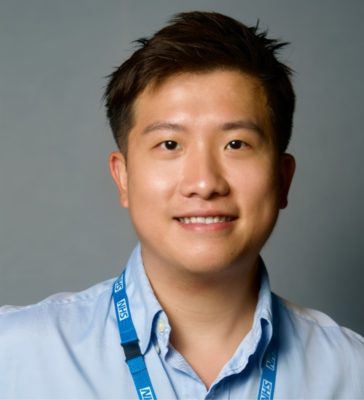
Ruichong Shuai
Current Employer/Organisation Name
Central and North West London NHS Foundation Trust
Can you give us an overview of what you have done since you completed your research degree?
I was firstly employed as a Postdoctoral Research Fellow at Queen Mary, University of London. After six months, I decided to leave academia and began volunteering at a drug and alcohol service. Another six months later, I was appointed as an Engagement and Recovery Worker, where I helped establish a GP in-reach referral pathway to improve access to support for individuals experiencing substance use difficulties.
After approximately a year in the role of Recovery Worker, I progressed to an Assistant Psychologist position within the same drug and alcohol service. This service operates in partnership with CNWL NHS Trust, my current employer. In this role, I have been able to contribute from a more psychologically focused perspective, supporting assessment, intervention, and service development.
More recently, I applied for the Doctorate in Clinical Psychology (DClinPsy). I was invited to interview at three universities and was subsequently placed on the reserve lists for both Oxford and Edinburgh. While it is more likely that I may not secure a place this year, my longer-term goal remains to continue developing my clinical, leadership, and research skills. Ultimately, my ambition is to undertake the DClinPsy programme and pursue a career as a Clinical Psychologist.
How did you become interested in the area you work in?
Clinical psychology has always been an area that interested me, but earlier in my career I was unsure whether I was ready for the emotional demands of the profession. Through both my personal and professional experiences, I have developed greater self-awareness, resilience, and emotional maturity, which has made me feel much more prepared to pursue this career path.
In addition, completing my PhD strengthened my interest in understanding how research findings can be translated into meaningful clinical practice. I became increasingly aware of the gap that can exist between research and frontline services, and it has since become a key ambition of mine to help bridge that gap. I am particularly motivated by the opportunity to combine clinical work with research, ensuring that evidence-based knowledge is effectively applied to improve outcomes for the people and communities we serve.
How did you find opportunities in the area you work in and how did the recruitment process work?
There are many opportunities for Assistant Psychologist (AP), Psychological Wellbeing Practitioner (PWP), and other entry-level clinical roles. However, these positions have become increasingly competitive, with applicant-to-post ratios of 100:1 not being uncommon. As more experienced candidates enter the job market, many roles that were previously considered entry-level now require a higher level of clinical and professional experience.
The application process can also be highly time-sensitive, as vacancies often close within a day (or a couple of hours) of being advertised once a high volume of applications has been received. Securing an interview is therefore a significant achievement in itself. Interviews typically last between 30 and 45 minutes and assess a range of competencies, including clinical knowledge, research skills, reflective capacity, and professional judgement.
When candidates are unsuccessful, employers will often provide interview feedback, which can be extremely valuable for identifying areas for development and strengthening future applications. I have found this feedback particularly useful in supporting my ongoing professional growth and preparation for future opportunities.
What does your current role involve?
Provide one-to-one psychological assessments and interventions for individuals experiencing substance use difficulties, supporting them to achieve their recovery goals. This includes working with presentations such as anxiety, depression, trauma-related symptoms, and difficulties with emotional regulation, drawing on approaches including Motivational Interviewing, Cognitive Behavioural Therapy (CBT), and Dialectical Behaviour Therapy (DBT)-informed interventions.
Facilitate a recovery-focused abstinence group for service users who have recently achieved abstinence, promoting relapse prevention, emotional wellbeing, and sustained recovery. Contribute to service evaluation through auditing the abstinence group programme and supporting research activities within the service to inform evidence-based practice and service development.
Work collaboratively within a multidisciplinary team to provide holistic support to clients, liaising regularly with external agencies such as social services, primary care providers, and other healthcare professionals to ensure coordinated and effective care.
What skills are involved in your work and how did your research degree help develop them?
Communication has been a key skill involved in my current work. During my research degree, I gained valuable experience engaging with a wide range of audiences, particularly when recruiting participants through initiatives such as Exeter 10,000. This required me to communicate complex research concepts in an accessible and engaging way to members of the public.
In addition, regularly collaborating with supervisors, peers, and multidisciplinary colleagues, as well as presenting and contributing to research meetings, helped me develop strong interpersonal and professional communication skills. These experiences have prepared me well for clinical work, where effective communication is essential for building therapeutic relationships, working collaboratively with colleagues, and conveying information clearly and sensitively to clients and other professionals.
Critical thinking skills I developed through my research degree are particularly valuable when formulating complex clinical cases and integrating information from multiple sources to inform intervention planning. My analytical skills are also highly transferable to service evaluation, auditing, and research activities, enabling me to critically assess outcomes and contribute to evidence-based practice.
In addition, the time management and organisational skills I gained during my PhD are central to my day-to-day responsibilities. These skills help me manage a varied workload effectively, balance clinical, research, and administrative demands, and ensure that tasks are completed efficiently while maintaining a high standard of work.
What do you enjoy most about your role?
The aspect of my work that I enjoy most is direct face-to-face clinical work with clients. It allows me to see the tangible impact of the skills, knowledge, and experience I have developed over many years of training and professional practice. What motivates me most is the opportunity to understand people’s experiences, build meaningful therapeutic relationships, and support them in navigating and overcoming their difficulties. Seeing individuals make progress towards their goals and improve their wellbeing is incredibly rewarding and continues to drive my commitment to this work.
What are the challenges in your role?
One of the more challenging aspects of my role is working within a highly emotive environment where relapse is often a natural part of the recovery journey and sustained recovery rates can be relatively low. At times, this can leave me feeling stuck or frustrated, particularly when progress is not linear.
However, through reflection and supervision, I have come to view recovery as a process rather than an outcome that I am responsible for achieving on behalf of my clients. This perspective has helped me focus on supporting individuals where they are in their journey, respecting their autonomy and recognising that meaningful change occurs at their own pace.
I have learned the importance of empowering clients to make informed choices that feel right for them, even when those choices may not align with societal expectations or conventional views of recovery. Ultimately, my role is to provide support, foster hope, and create a space where individuals can explore and pursue the changes that are meaningful to them.
What has surprised you about your role?
In my previous role as a Recovery Worker, the administrative workload was extremely demanding, with extensive documentation requirements and a strong emphasis on detailed record-keeping. Transitioning into my current Assistant Psychologist role has therefore been a positive change. While the role still requires careful documentation, my smaller caseload allows for a more manageable balance between clinical work and administrative responsibilities.
One aspect that has pleasantly surprised me is having more dedicated time for continuing professional development (CPD), reflection, and learning. This has enabled me to engage more deeply with psychological theory, research, and clinical formulation, while maintaining a level of intellectual stimulation that I value. I appreciate the opportunity to think critically about my work and continue developing professionally, rather than becoming focused solely on repetitive tasks and service demands.
Did you engage in any additional activities or roles (i.e. organising conferences, entering PGR showcase, being a PGR Rep etc.) during your research degree, and how did these help prepare you for a career beyond academia?
I have been involved in organising and presenting at academic conferences, co-supervising undergraduate and master’s research projects, and obtaining Associate Fellowship of the Higher Education Academy (AFHEA) recognition. These experiences broadened my perspective beyond conducting research alone and enabled me to develop a wider range of professional skills.
In particular, they strengthened my networking, leadership, and organisational abilities, while also enhancing my confidence in communicating my expertise and contributions to others. These experiences have been invaluable in supporting my career development, helping me build professional relationships, identify appropriate mentors and collaborators, and feel more confident in articulating the skills and value I can bring to a team or organisation.
What skills and experiences have been most useful for your career?
Key skills I have found useful include communication, time management, and organisational abilities. In addition, reflection is a particularly valuable skill that I have cultivated through both my academic and personal experiences. Regular reflection has helped me develop greater self-awareness, adapt to challenges, and continuously improve my professional practice.
In terms of experiences, I would say that my time at Exeter during my PhD was especially formative. I was fortunate to work within a highly supportive research community and to have excellent supervision, which fostered both my professional and personal growth. This environment gave me the confidence to pursue career paths that felt meaningful and aligned with my values, rather than being constrained by uncertainty or self-doubt. It also helped me recognise the importance of working in environments that are nurturing, collaborative, and supportive, as these are the settings in which I am able to develop, contribute, and thrive most effectively.
What advice would you give to a current student who wishes to pursue your career?
It’s never too late to start a new career or change direction. Don’t be afraid of uncertainty – some of the most rewarding opportunities come from stepping outside your comfort zone. Focus on work that feels meaningful to you, stay open to learning, and keep growing through every experience. If you’re motivated by purpose rather than simply reaching an endpoint, you’ll be much more likely to build a fulfilling and sustainable career.
What are your plans for the future?
In the short term, I am considering opportunities to work (as an Assistant Psychologist) in a different clinical setting to broaden my experience and further develop my skills. My longer-term goal is to undertake the DClinPsy programme and qualify as a Clinical Psychologist, with the aim of working across both clinical practice and academia. I am particularly passionate about bridging the gap between research and practice, ensuring that evidence-based findings are translated into meaningful improvements in patient care and service delivery.