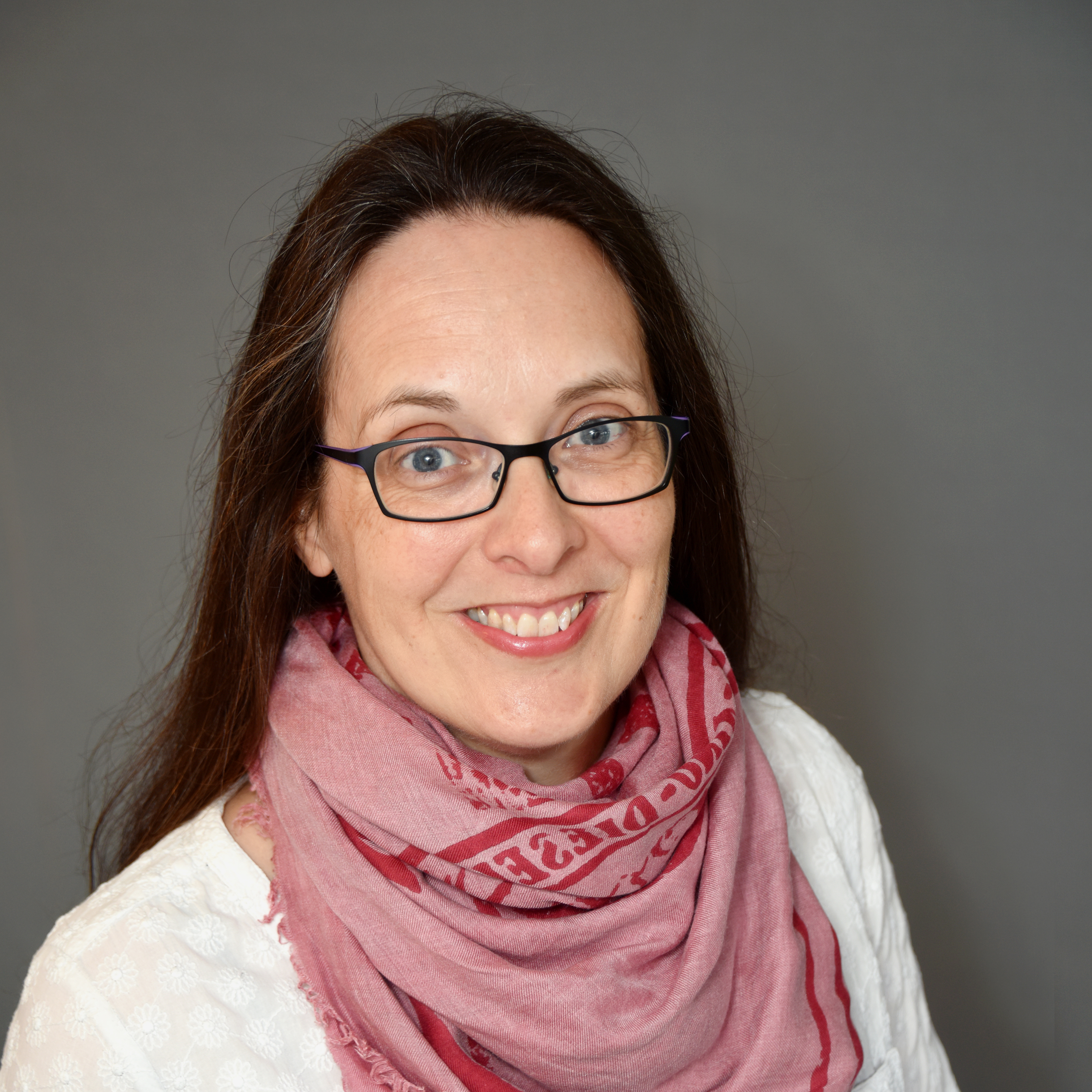
Georgina Crossman
Current Employer/Organisation Name
G K Crossman Consultancy
Can you give us an overview of what you have done since you completed your research degree?
Since completing my research degree, I have developed a varied portfolio career spanning research, the equine sector, sport, education and assessment, governance and communications.
My work has included research and consultancy for a number of equine welfare charities and organisations, supporting their research activities and events. I have been a Director of the National Equine Forum for a number of years, developing its coverage and profile.
Sport has also been an important part of my career. I worked at the London 2012 Olympic and Paralympic Games as the Equestrian Technical Officials Group Leader and at the Rio 2016 Paralympic Games managing the Sports Information Front Desk. More recently, I completed two terms as a Non-Executive Director of Rounders England, where I was also Vice Chair of the Board.
Alongside this, I have undertaken website, communications and social media work and held a number of voluntary roles, including chairing the judging panel for the BETA Equine Thesis of the Year and serving as Chair of North Devon Rounders, where I am also a coach, player and umpire.
More recently, I have trained as a counsellor and am developing my counselling practice alongside my other professional work.
How did you become interested in the area you work in?
Much of my work is linked to the equine sector; allowing me to build on my love of horses. I am also very interested in understanding what makes people tick and have always been curious about how and why things work as they do.
Combining these interests has been important – both in my long-standing work and my newer counselling role – allowing me to genuinely enjoy my work.
How did you find opportunities in the area you work in and how did the recruitment process work?
Most of my opportunities have come about through networking and through relationships developed during previous roles. Prior to undertaking my PhD I was a lecturer in the equine sector, and I completed equine-related undergraduate and Masters degrees, each of which helped me build knowledge, contacts and experience within the sector.
Some roles have involved conventional recruitment processes, while other opportunities have developed through people knowing my work and approaching or recommending me. Building relationships, maintaining a professional network and being willing to take opportunities when they arise have therefore been very important throughout my career.
What does your current role involve?
I have a portfolio career rather than one single role, so my work currently encompasses several different areas.
My work includes oversight and management of the National Equine Forum; managing a webinar series; consultancy and research-related work; digital, website and communications work; and counselling as I develop my private practice.
Alongside my paid work, I continue to undertake voluntary roles, including chairing the BETA Equine Thesis of the Year judging panel and serving as Chair of North Devon Rounders.
What skills are involved in your work and how did your research degree help develop them?
My work involves a broad range of transferable skills, including research and critical analysis, strategic thinking, communication, leadership and governance, project and event management, stakeholder engagement, education and assessment, digital communications, problem-solving and the ability to work effectively under pressure.
My research degree helped me develop many of the foundations for these skills. In particular, it taught me how to take a large and sometimes ambiguous problem, break it down into manageable parts, find and critically evaluate evidence, identify what is important, and communicate complex information clearly to different audiences.
It also developed my ability to work independently, manage a substantial long-term project, meet deadlines, adapt when things do not go to plan, and have confidence in my own judgement.
These skills have proved highly transferable across a varied portfolio career. I have used them in research and consultancy for equine organisations and charities; governance roles; education and assessment; managing professional webinar programmes; website, communications and social media projects; and major sporting events including the London 2012 Olympic and Paralympic Games and the Rio 2016 Paralympic Games.
My career has not followed a single linear path, but the skills developed through my research degree have provided a consistent foundation throughout it. Perhaps most importantly, undertaking a research degree taught me how to learn, how to approach unfamiliar problems, how to ask good questions and how to find a way forward when there is no obvious answer.
What do you enjoy most about your role?
I love the variety of doing different things and being able to make a difference, both to people and equidae. I never get bored! I also use what I have learned on a daily basis, while continuing to learn new things. That combination of using my existing knowledge while constantly developing it is really valuable to me.
What are the challenges in your role?
I have to be very careful in managing my time. The year has a rhythm, with certain times being very busy, so I have to be mindful about how and when I take on work and how it all slots together.
A portfolio career also means making choices about which opportunities to pursue. One of the challenges is balancing being open to interesting opportunities with being strategic about where I want my career to go.
What has surprised you about your role?
My research degree opened doors to me which I did not anticipate. It has supported the development of my career and allowed me to take a path I could never have predicted when I completed it.
I have also been surprised by just how transferable the skills from my research degree have been. I have used them in settings ranging from research and education to governance, major sporting events, communications and now counselling. I am very grateful for the roles and variety I have experienced.
Did you engage in any additional activities or roles (i.e. organising conferences, entering PGR showcase, being a PGR Rep etc.) during your research degree, and how did these help prepare you for a career beyond academia?
I did not engage in any additional activities or roles directly alongside my research degree at Exeter. When studying for my undergraduate degree, I was also Chair of the Students’ Association, which provided me with useful experience in leadership, representation and working with different groups of people.
I was also working while I completed my research degree, which helped me to maintain and build my professional network and meant that my academic and professional development happened alongside one another. I also spent time in Sweden and the Netherlands gathering research, which developed my confidence in working independently, building relationships and adapting to unfamiliar environments.
What skills and experiences have been most useful for your career?
The transferable skills I gained during my research degree have been invaluable. I have used them in settings ranging from research and education to governance, major sporting events, communications and now counselling.
Working with very different people and translating between different worlds — researchers, charities, boards, sports organisations, technical officials, vets, students, volunteers, clients and so on – has been an important skill throughout my career. Being able to listen, understand different perspectives and communicate appropriately with different audiences has been invaluable.
What advice would you give to a current student who wishes to pursue your career?
A research career does not have to be linear.
My PhD didn’t train me for one particular job. It equipped me with a collection of capabilities that have taken me into completely different environments — from research and equine welfare to Olympic and Paralympic sport, board governance, education, digital communications and counselling. I also recognise how much relationships matter; curiosity matters; and being willing to learn matters. Don’t underestimate the value of the skills and experience you have developed along the way.
Transferable skills really are transferable; and you don’t need to know at the end of a PhD exactly where your career is going to take you.
What are your plans for the future?
My plans for the future are to continue to develop my consultancy business, building on my experience across research, governance, communications and the equine sector, and alongside that build a sustainable private counselling practice.
Work-life balance is important to me, as is helping people and equidae, and making a difference to the world. I want to be able to do all of those things.