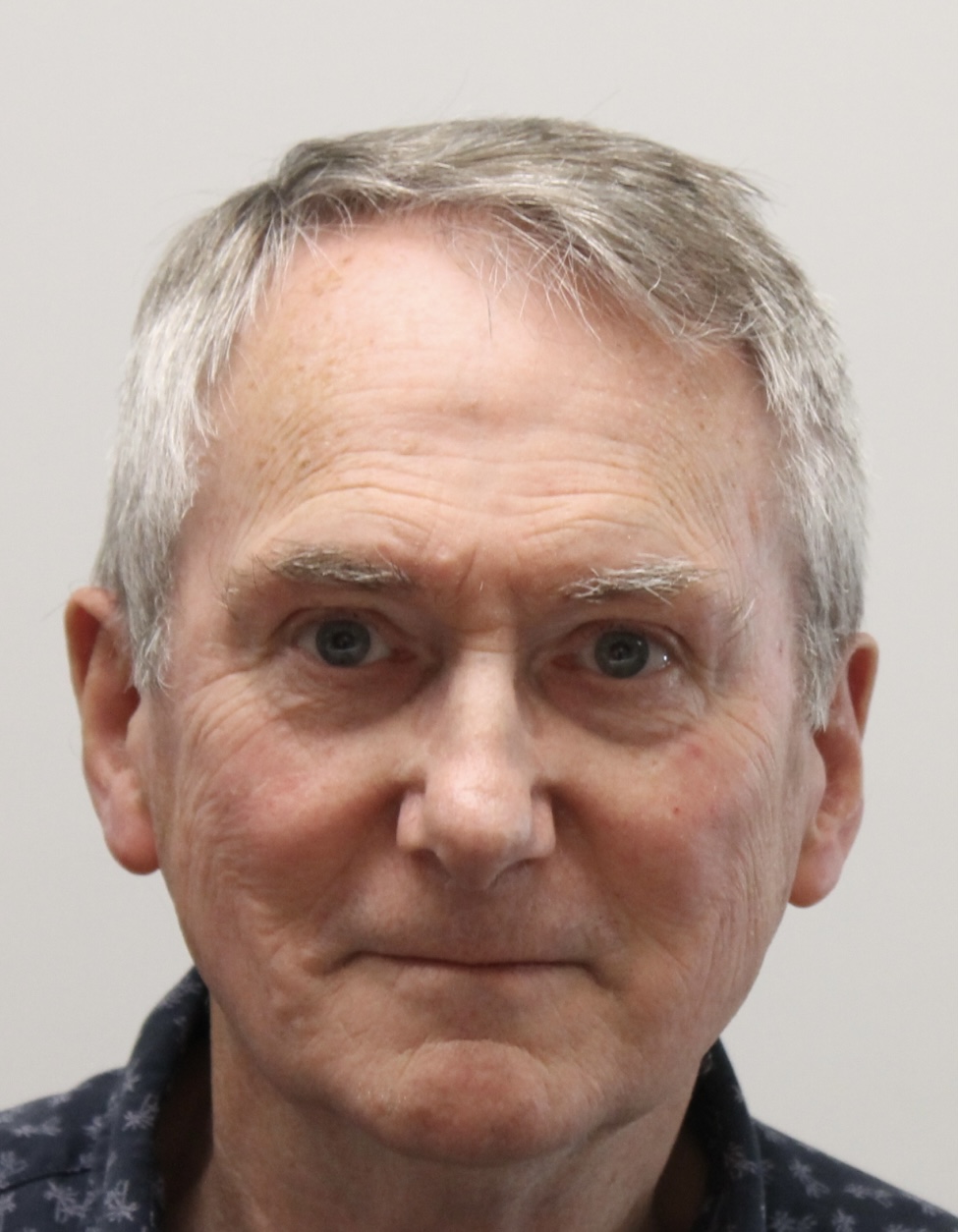
Timothy Andrew Unwin
Current Employer/Organisation Name
University of Bristol
Can you give us an overview of what you have done since you completed your research degree?
I have had an academic career in several British universities (Edinburgh, Queen’s Belfast, Liverpool, Bristol) and one Australian one (Univ of Western Australia). I also held the James Barrow Chair of French in Liverpool and, latterly, the Ashley Watkins Chair of French in Bristol.
How did you become interested in the area you work in?
I was fascinated from an early stage of my undergraduate degree by the study of literature, focussing eventually on the nineteenth-century French novel.
How did you find opportunities in the area you work in and how did the recruitment process work?
Getting a foothold in academia was the most difficult part (as it still is). I was applying for academic jobs during the Thatcher years. I held a two-year Tutorship in the French Department in Exeter before moving to a two-year Lectureship in Edinburgh, and subsequently a permanent post in Belfast. You had to build up an excellent CV, get your thesis written and accepted, then publish early, attend conferences, and build contacts in the profession.
What does your current role involve?
I’m happily retired at this stage, but the role has involved many different things outside and beyond the classroom itself. With seniority in the profession there comes an expectation of taking on major admin and management roles, as well as participation in national bodies, scholarly societies, journal editing and so on.
What skills are involved in your work and how did your research degree help develop them?
Reading, writing, researching, speaking a foreign language with native skill – all central to the acquisition of a PG qualification – and teaching all of those skills to students.
What do you enjoy most about your role?
The study of literature, in addition to being fabulously rewarding, is (contrary to what is often thought) one of the most relevant and important occupations in life. It connects us with ourselves, others, history, language, culture, politics and more, and it puts us in contact with some of the most creative and original minds of our world. What’s not to love? And what a privilege to spend a career teaching and discussing literature with successive generations of students.
What are the challenges in your role?
Defending its validity against those who don’t believe the study of humanities has any material or practical value. Defending the study of modern languages in our universities presents particular challenges, because so many institutions looking to cut costs will target languages in the first instance.
What has surprised you about your role?
1. How much I have been able to learn from my students.
2. How often the most damage in the workplace is caused by those who should be on your side (but this is probably true of most professions).
Did you engage in any additional activities or roles (i.e. organising conferences, entering PGR showcase, being a PGR Rep etc.) during your research degree, and how did these help prepare you for a career beyond academia?
Yes, all of those things, which are essential. And all of them involve transferable skills, meaning that they will always be useful even if career plans change.
What skills and experiences have been most useful for your career?
The ability to speak in public with confidence; the ability to write well; the ability to speak French perfectly (it gives you much more credibility if you are really good at it); the willingness to adapt to new developments in our universities and in our discipline.
What advice would you give to a current student who wishes to pursue your career?
1. Be prepared for the discipline to change beyond recognition in the course of your career.
2. You will be loved by your institution if you are successful in securing grants.
3. Love what you are doing, or the above will be irrelevant.
What are your plans for the future?
To continue enjoying retirement!