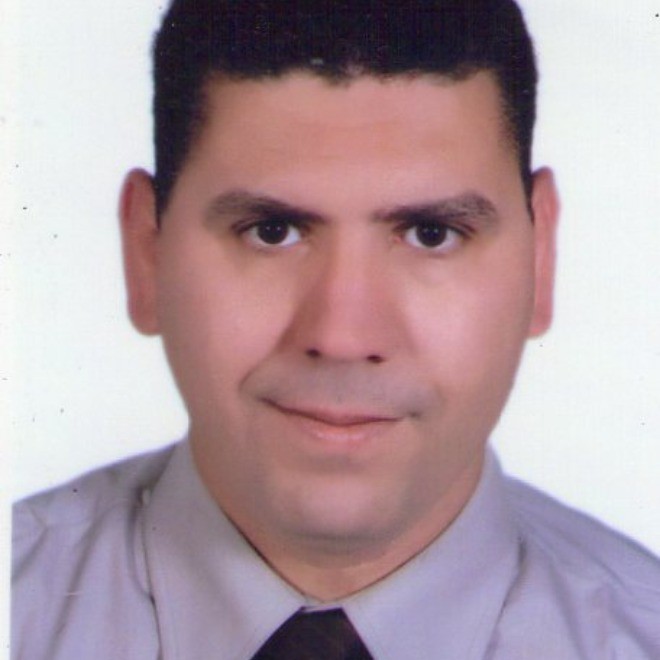
Mahmoud Mohammad Sayed Abdallah
Current Employer/Organisation Name
Assiut University, Egypt
Can you give us an overview of what you have done since you completed your research degree?
After earning my PhD in Education (TESOL/TEFL & Curriculum Design) from the University of Exeter in 2011, I advanced through successive academic ranks at Assiut University, Egypt, from Assistant Lecturer to Professor of Curriculum & TESOL/TEFL Methodology. Alongside this, I held visiting and associate professorships at Dhofar University (Oman) and Al-Azhar University (Egypt). My career has encompassed teaching undergraduate and postgraduate courses, supervising MA and PhD theses, conducting research in computer-assisted language learning (CALL), electronic literacies, and English for STEM, as well as contributing to curriculum innovation and teacher education. I have also served as a trainer in UNICEF projects and professional development centres, combining academic leadership with community engagement.
How did you become interested in the area you work in?
My interest in TESOL/TEFL and curriculum design was sparked during my undergraduate studies in English Arts & Education at Assiut University. Exposure to language pedagogy and applied linguistics motivated me to pursue advanced degrees, culminating in doctoral research at Exeter on web-based new literacies and EFL curriculum design. This experience deepened my commitment to integrating technology and innovative pedagogies into language instruction, particularly in contexts where English serves as a gateway to STEM and global communication.
How did you find opportunities in the area you work in and how did the recruitment process work?
Opportunities arose through a combination of academic merit, international collaboration, and institutional needs. My progression at Assiut University followed Egypt’s structured promotion system, requiring rigorous peer-reviewed publications, teaching excellence, and departmental service. International appointments, such as at Dhofar University, were secured through competitive recruitment processes emphasizing cross-cultural teaching experience, research expertise, and alignment with institutional goals. Networking through conferences, publications, and academic service (e.g., journal reviewing, external examining) also played a key role.
What does your current role involve?
I currently serve as Professor of Curriculum & TESOL/TEFL Methodology at Assiut University. My responsibilities include teaching undergraduate and postgraduate courses in language skills, curriculum design, CALL, and research methods; supervising graduate theses; mentoring student teachers during practicum; conducting research on AI-driven language learning and literacy; and contributing to departmental governance through board meetings and research seminars. I also review manuscripts for international journals and guide curriculum innovation in English for STEM education.
What skills are involved in your work and how did your research degree help develop them?
My work requires skills in curriculum design, applied linguistics, academic writing, educational research, mentoring, and cross-cultural communication. Technical skills include CALL, blended learning, and qualitative/quantitative analysis (e.g., NVivo, SPSS). My Exeter PhD was pivotal in developing these competencies: it trained me in research design, critical analysis, and integrating digital literacies into pedagogy. The doctoral experience also enhanced my ability to supervise research, publish internationally, and contribute to global academic discourse.
What do you enjoy most about your role?
I most enjoy mentoring students and researchers, helping them transform ideas into impactful studies and professional growth. Equally rewarding is integrating technology and AI into language learning, which keeps my teaching innovative and responsive to global trends. Contributing to curriculum development that empowers learners in STEM and international contexts is deeply fulfilling.
What are the challenges in your role?
Challenges include balancing heavy teaching loads with research productivity, navigating limited resources in local contexts, and ensuring students adapt to rapidly evolving digital literacies. Supervising diverse research projects also requires constant updating of methodological expertise. Additionally, fostering innovation in traditional educational systems can be demanding.
What has surprised you about your role?
I have been most surprised by the extent to which AI and digital tools have reshaped language learning and research practices in a short time. What began as a niche interest during my PhD—web-based literacies—has now become central to global TESOL/TEFL pedagogy. Another surprise has been the resilience and adaptability of students and colleagues in embracing these changes, even in resource-constrained environments.
Did you engage in any additional activities or roles (i.e. organising conferences, entering PGR showcase, being a PGR Rep etc.) during your research degree, and how did these help prepare you for a career beyond academia?
During my PhD at Exeter, I actively engaged in a range of academic and professional development activities beyond my core research. I attended and contributed to departmental research seminars, participated in workshops on qualitative data analysis (NVivo), statistical analysis (SPSS), and digital libraries, and undertook training in instructional technology and academic publishing. I also joined researcher development programmes, such as “Compiling the PhD: Using Microsoft Word to Manage a Thesis”, which enhanced my technical and organizational skills.
These experiences prepared me for a career beyond academia by strengthening my ability to communicate research to diverse audiences, manage complex projects, and integrate technology into teaching and scholarship. They also cultivated leadership and mentoring skills, which I later applied in supervising graduate students, organizing training workshops, and contributing to international collaborations. In short, these roles expanded my professional identity from researcher to educator, mentor, and academic leader.
What skills and experiences have been most useful for your career?
The most valuable skills have been a combination of academic expertise, technological fluency, and mentoring ability. My training in curriculum design, TESOL/TEFL methodology, and applied linguistics has provided the foundation for teaching and supervising research at undergraduate and postgraduate levels. Equally important has been my experience with computer-assisted language learning (CALL), blended learning, and AI-driven pedagogy, which allows me to innovate in English language instruction and adapt to global educational trends.
Beyond technical skills, experiences such as organizing training workshops, guiding student teachers during practicum, and serving as a peer reviewer for international journals have honed my leadership, communication, and evaluative abilities. These roles taught me how to balance academic rigor with practical applicability, and how to empower learners and colleagues alike. My doctoral research at Exeter was especially formative, equipping me with advanced research design, critical analysis, and cross-cultural collaboration skills that continue to shape my career trajectory.
What advice would you give to a current student who wishes to pursue your career?
My advice is to build a strong foundation in both pedagogy and research methodology—these are the cornerstones of a career in TESOL/TEFL and curriculum design. Engage deeply with your doctoral research, but also seek opportunities to broaden your expertise through workshops, conferences, and interdisciplinary collaborations.
Equally important is to embrace technology and innovation. Language education is rapidly evolving, and skills in computer-assisted language learning, blended learning, and AI-driven pedagogy will distinguish you in the field.
Finally, cultivate mentoring and leadership skills. Guiding students, supervising research, and contributing to academic service are not just responsibilities—they are opportunities to shape the next generation of educators. Stay resilient, publish consistently, and remain open to international experiences, as these will expand your impact and career prospects.
What are your plans for the future?
Looking ahead, I plan to expand my international academic contributions by pursuing a professorship in English teaching methods (TESOL/TEFL/ELT) at Al-Elwasl University in Dubai for the 2026–2027 academic year. My vision is to continue mentoring graduate students, particularly in advanced English for STEM courses, and to lead innovative research projects that integrate artificial intelligence into language learning and curriculum design.
Beyond teaching and research, I aim to strengthen my role as an academic leader by serving as an external referee for faculty promotions, contributing to international journals as a peer reviewer, and fostering collaborations that bridge TESOL/TEFL with emerging technologies. Ultimately, my goal is to empower learners and educators through impactful scholarship and to position language education at the forefront of global innovation.