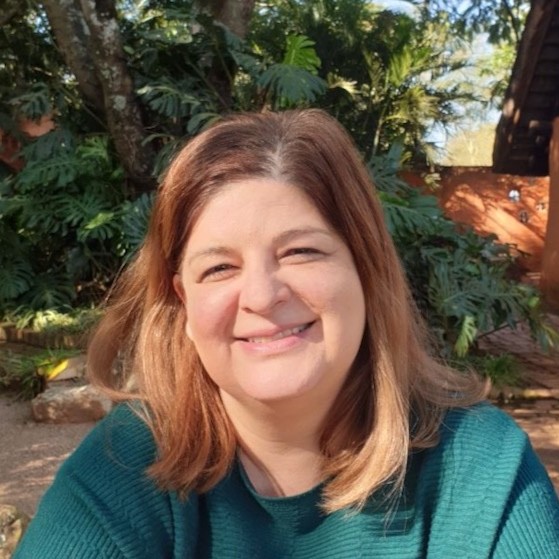
Mandana Arfa-Kaboodvand
Current Employer/Organisation Name
University of Eswatini
Can you give us an overview of what you have done since you completed your research degree?
I was already a university lecturer in Iran when I started my PhD at the University of Exeter. I went back to lecturing, then I moved to Uzbekistan and was a senior lecturer at a transnational university there. Then I moved to Eswatini, and I am lecturing at the university here. I have also conducted a few studies and have had them published. I frequently present at international conferences. Recently, I have been writing some graded reader materials for English language learners. I am hoping to have them published by the end of the current year. I am also an editor in a peer-reviewed journal.
How did you become interested in the area you work in?
I don’t recall how it all began. I have been an educator for almost 40 years.
How did you find opportunities in the area you work in and how did the recruitment process work?
Since I have moved several times in the past 16 years, I had to look for jobs. For some, I found the vacancies, and for my current job, I shared my CV with someone at the university, and she recommended me.
What does your current role involve?
Designing a syllabus, developing materials and teaching.
What skills are involved in your work and how did your research degree help develop them?
More than the skills, the title and my studying at a British university helped. Also, the whole experience boosted my self-confidence. Now I sometimes supervise theses and mentor students and colleagues. I enjoyed my supervisors’ support during my PhD and try to do the same for my students and mentees.
What do you enjoy most about your role?
As I explained in the other question, I have been an educator for 40 years. I thoroughly enjoy it. I like teaching and also helping colleagues with professional development. For both, I have to keep up to date; therefore, I am still constantly learning.
What are the challenges in your role?
Since I have moved several times, the challenges have been looking for jobs and proving that I am an efficient colleague.
What has surprised you about your role?
Nothing much. Maybe cultural diversity, which does not have much to do with my role.
Did you engage in any additional activities or roles (i.e. organising conferences, entering PGR showcase, being a PGR Rep etc.) during your research degree, and how did these help prepare you for a career beyond academia?
Yes. But since I was already in academia, I had done them before my PhD as well.
What skills and experiences have been most useful for your career?
The fact that it is never too late to learn and that there is always something to learn. Networking was a skill that I learned more about during my studies. Doing my PhD was another proof that being well-organised and punctual are vital in life.
What advice would you give to a current student who wishes to pursue your career?
I strongly recommend it even though technology promises a lot of changes. I think the field of education is still very much needed, and educators can impact the future of almost everybody. The issues that deserve attention are staying up to date with current trends and not being afraid of developing professionally and implementing the new skills in the job.
What are your plans for the future?
Keep teaching, publishing and learning. I may establish my own teacher training centre in the coming years.